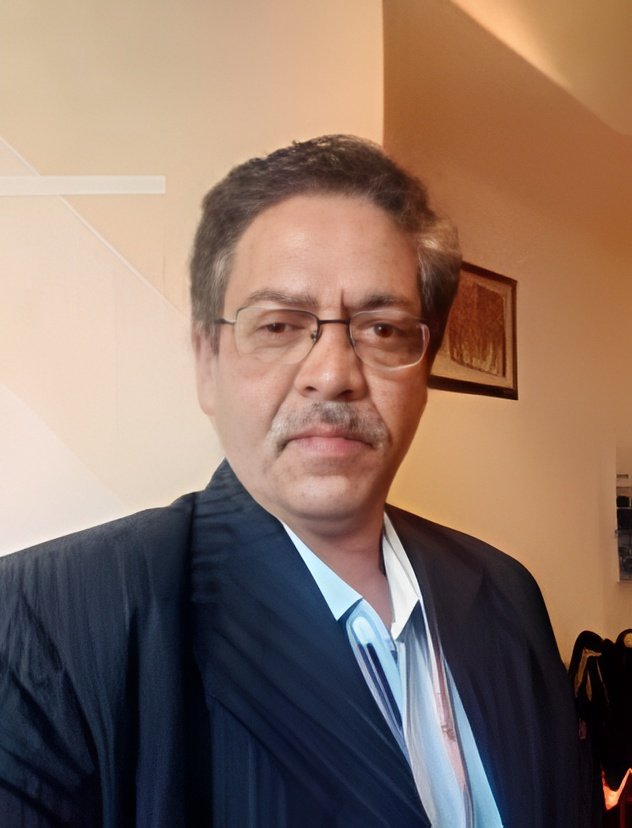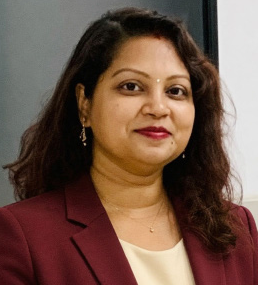
Dr. Kumari Pallawi

IQAC Co-ordinator Assistant Professor Uday Memorial B. Ed. College, Kedal, Ranchi

It is a matter of great pride and pleasure to present this Souvenir of the Multidisciplinary Two-Day International Seminar (Hybrid Mode) on “Artificial Intelligence (AI) for Skill Development in Developing Countries”, organized by Uday Memorial B.Ed. College, Kedal, Ranchi under the aegis of the Internal Quality Assurance Cell (IQAC).

In the contemporary knowledge-driven world, Artificial Intelligence has emerged as a powerful catalyst for innovation, transforming the way individuals learn, work, and contribute to society. As developing countries strive to achieve sustainable growth and global competitiveness, AI offers immense opportunities to enhance skill development, improve educational access, strengthen workforce capabilities, and promote inclusive development.

The Internal Quality Assurance Cell (IQAC) is committed to fostering a culture of quality, innovation, and continuous improvement in higher education. This seminar reflects our commitment to create academic platforms that encourage intellectual discourse, interdisciplinary collaboration, and the exchange of ideas among scholars, educators, researchers, policymakers, industry experts, and students from diverse backgrounds.

The theme of the seminar is particularly significant as it explores how AI can be effectively utilized to bridge skill gaps, empower learners, support entrepreneurship, and prepare future generations for emerging challenges in a rapidly evolving digital landscape. The deliberations, research presentations, and discussions during this seminar are expected to generate valuable insights and practical strategies for integrating AI-driven approaches into education and skill development initiatives.

I express my sincere appreciation to the distinguished keynote speakers, resource persons, researchers, participants, members of the organizing committee, and all stakeholders whose contributions have made this academic endeavor possible. I also extend my gratitude to the management, faculty members, and students of Uday Memorial B.Ed. College for their unwavering support and dedication.

I am confident that this seminar will enrich academic understanding, inspire innovative thinking, and contribute meaningfully to the advancement of quality education and skill development in developing countries.

I wish the seminar every success and hope that this souvenir serves as a lasting record of the valuable knowledge shared during this significant academic event.

With Best Wishes, Dr. Kumari Pallawi
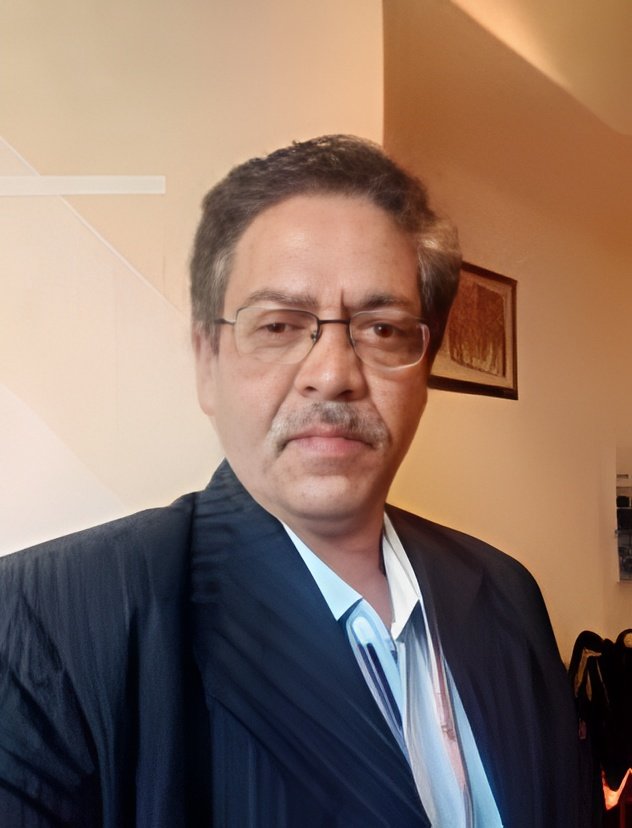
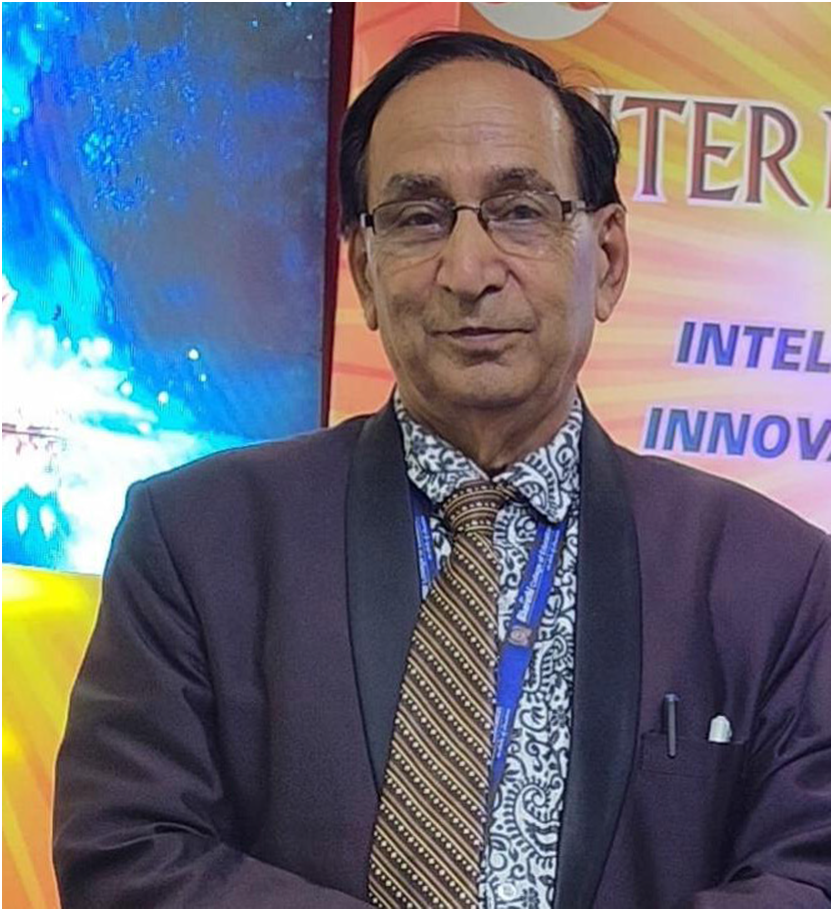
Prof. (Dr.) Shashikant Kumar

FACULTY OF ARCHITECTURE AND PLANNINGPARUL UNIVERSITY, VADODARA (GUJARAT)

Dear Patrons and Participants,

Greetings,

The International Conference organized by Uday Memorial B. Ed. College, Ranchi bringing exposure for the educators and researchers towards importance of Artificial Intelligence and need for the skill development among the human resources. This relevant particularly in South Asia to upskill the digital inclusion among the people and systems for providing vocational preparedness.

AI in its fourth year of public interface have progressed more to gain the advantage to the knowledge integration and applications. The core subject’s areas are progressively adopting and incorporating the challenges to provides inputs for Large Language Models (LLMs) for better decision making capabilities. We are on the middle of the technology changes for the communication building Internet of Things (IoTs) embedded with AI within our Personal Computers, Laptops, Mobiles and other devices.

The generational shift in medium of education, accessibility of information and high capacity of the processing would soon lead to better research, educational pedagogy and delivery of knowledge to students and teachers. The benefits of the AI needs to be transfer innovation, technology upgradation and skill enhancement. There would be need to raise the entrepreneurship among the youth, employment oriented skills and mediums for digital education.

Provided the opportunity I wish to appreciate the efforts by the Uday Memorial B.Ed College in partnership with Ranchi University and Jharkhand Academic Council in pursuing the emerging areas for the betterment of young teachers and students.

Wishing a successful event and positive inputs for knowledge exchange in the deliberations and papers presented.

Thanking You

Warm Regards

PROF (DR) SHASHIKANT KUMAR

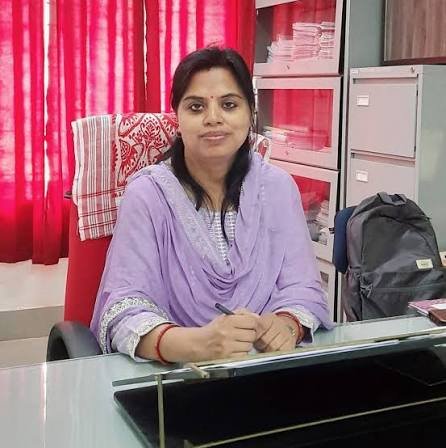
Dr. Sashapra Chakrawarty

Faculty | Department of Education, Tezpur University

Associate Professor & Head | Department of Education | Tezpur University, Assam

It gives me immense pleasure to learn that Uday Memorial B.Ed. College, Ranchi, Jharkhand, is organizing a Two-Day Multidisciplinary International Seminar on “Artificial Intelligence (AI) for Skill Development in Developing Countries” on 27th and 28th June 2026. Such academic initiatives are highly significant as they provide teachers, researchers and students with valuable opportunities to broaden their academic perspectives and engage with emerging developments in the field. The seminar’s focus on the transformative role of Artificial Intelligence in skill development is both timely and relevant, particularly in the context of sustainable development and the evolving demands of the global knowledge economy.

Artificial Intelligence (AI) drives skill development, research enhancement, and human capital optimization in developing economies, aligning closely with Sustainable Development Goals (SDGs). By leveraging machine learning, natural language processing (NLP), and intelligent tutoring systems, AI delivers personalized, competency-based learning pathways that help students acquire critical Industry 4.0 skills like data literacy and algorithmic reasoning. AI-integrated digital infrastructure such as virtual laboratories and cloud platforms, which provides scalable, remote access to these tools, effectively reducing structural inequities in resource-constrained regions.

In India, AI integration in education and research, as emphasized in the National Education Policy 2020, strengthens digital skill ecosystems, employability, and innovation capacity. In vocational education and training, AI supports competency-based assessment, industry-aligned curriculum design, and immersive simulation-based skill acquisition. Furthermore, Generative AI extends capabilities in multilingual processing, content synthesis, entrepreneurial analytics, and cultural knowledge preservation, reinforcing inclusive and technology-driven sustainable development.

I extend my best wishes for the grand success of this academic endeavor. I wish the International Seminar and the Souvenir published on the occasion a grand success.

(Dr. Sashapra Chakrawarty)

Associate Professor & Head

Department of Education

Tezpur University, Assam

Dr. Arpana Sharma

Dean Academics YBNU Ranchi

Address at the Two-Day International Conference on AI for Skill Development in Developing Countries

Distinguished guests, respected delegates, researchers, policymakers, industry leaders, academicians, and dear participants

It is a privilege and honor to address this Two-Day International Conference on “Artificial Intelligence for Skill Development in Developing Countries.” I extend my heartfelt greetings to all participants who have gathered here from different parts of the world to discuss one of the most transformative technologies of our time.

We are living in an era where Artificial Intelligence is reshaping economies, industries, education systems, and societies at an unprecedented pace. From healthcare and agriculture to manufacturing and public services, AI is becoming a powerful catalyst for innovation and growth. For developing countries, AI presents both a challenge and an extraordinary opportunity. The challenge lies in preparing our workforce for a rapidly changing job market, while the opportunity lies in leveraging AI to accelerate inclusive development and improve the quality of life for millions of people.

Skill development has always been the cornerstone of economic progress. In today’s digital age, traditional skills alone are no longer sufficient. The workforce of the future requires digital literacy, data analysis capabilities, critical thinking, problem-solving abilities, and adaptability. AI can play a pivotal role in making skill development more accessible, personalized, and effective.

One of the greatest strengths of AI is its ability to democratize learning. AI-powered educational platforms can provide customized learning experiences tailored to individual needs, learning speeds, and career aspirations. Learners in remote villages can access the same quality of training as those in major urban centers. Language barriers can be reduced through intelligent translation systems, enabling wider participation in global knowledge networks.

For developing countries, AI can also help address longstanding challenges in education and workforce training. Intelligent tutoring systems can support teachers, identify learning gaps, and provide timely interventions. AI-driven labor market analysis can predict emerging skill demands, helping governments and institutions design relevant training programs. Such innovations can bridge the gap between education and employment, ensuring that young people acquire skills that are aligned with industry needs.

However, while embracing AI, we must also recognize the risks associated with technological disruption. Automation may replace certain routine tasks, creating concerns about job displacement. Therefore, our focus should not merely be on adopting AI but on preparing individuals to work alongside AI. Human creativity, emotional intelligence, ethical judgment, and leadership remain uniquely valuable skills that technology cannot fully replace.

Collaboration is essential in achieving this vision. Governments, educational institutions, industry partners, international organizations, and civil society must work together to build robust ecosystems for AI-enabled skill development. Investments in digital infrastructure, affordable internet access, teacher training, and lifelong learning opportunities are critical to ensuring that the benefits of AI reach all sections of society.

Ethics and inclusivity must remain at the center of our efforts. AI systems should be transparent, fair, and accountable. We must ensure that women, rural communities, disadvantaged groups, and persons with disabilities are not left behind in the digital transformation journey. The true success of AI will be measured not only by technological advancement but by its ability to create equitable opportunities for all.

This conference provides an excellent platform to exchange ideas, share best practices, explore innovative solutions, and build international partnerships. Over the next two days, I am confident that the discussions, presentations, and deliberations will generate valuable insights and actionable recommendations that can guide future policies and initiatives.

As we move forward, let us envision a future where AI serves as an enabler of human potential rather than a substitute for it; where technology empowers individuals with new skills, enhances productivity, and promotes sustainable development; and where developing countries emerge not merely as consumers of AI technologies but as active contributors to global innovation.

I congratulate the organizers for bringing together such a distinguished gathering and thank all participants for their commitment to advancing skill development through artificial intelligence.

I wish this conference every success and look forward to the fruitful outcomes that will emerge from our collective efforts.

Thank you.

Jai Hind.

Prof. Guru Charan Sahu

avatar

Former Registrar (Ranchi, University)

It gives me immense pleasure to learn that Uday Memorial B. Ed. College, Kedal, Neori Vikas, Ranchi is organizing a Two-Day International Seminar in Hybrid Mode on 27th–28th June, 2026 on the highly relevant theme “AI for Skill Development in Developing Countries.”

The rapid advancement of Artificial Intelligence has transformed almost every sphere of human life, particularly the domains of education, employment, innovation, and skill development. For developing countries, AI presents unprecedented opportunities to bridge skill gaps, enhance workforce capabilities, promote inclusive growth, and accelerate socio-economic development. At the same time, it calls for thoughtful integration of technology with human values, ethics, and sustainable development goals.

I appreciate the efforts of the Management, Principal, Organizing Committee, faculty members, researchers, academicians, industry experts, and participants for creating a platform that encourages interdisciplinary dialogue and collaborative research on this significant contemporary issue. Such academic deliberations will undoubtedly contribute to generating innovative ideas and practical solutions for empowering future generations through AI-enabled skill development.

I am confident that this International Seminar will provide valuable insights, foster meaningful discussions, and strengthen academic and professional networks among scholars and practitioners from across the globe.

On behalf of Ranchi University, Ranchi, I extend my best wishes for the grand success of this seminar and congratulate the organizers for this commendable initiative. I also convey my best wishes for the successful publication of the Souvenir, which will serve as a valuable academic resource and lasting record of the proceedings.

Prof. Guru Charan Sahu

Dr. Swati Anjana Toppo

Head Of Dept. D.El.Ed. UMBED College

Upanishad shloka “ Tamso Maa Jyothir Gamaya” is the Indian understanding of education.

In darkness we cannot see. So, we do not understand anything. But when light comes, things become clear and visible to us. This clarity of vision helps us to understand this situation before us. And this understanding helps us to respond our responsibility and this is the way to get success in life and also to lead a life of fullness.

“The highest education is that which does not merely give us information but makes our life in harmony with all existence.” – Rabindranath Tagore

Life is not all about coming first, but it matters about the road travelled the character, the values , the morals the inner bring that has led us to come first. The world is becoming highly competitive today. We all want to live in the society where there is love, peace, joy harmony, development, freedom from violence and corruption. The dream of a good society should have a foundation. And one of such foundations is “EDUCATION”.

“If your actions inspire others to dream more, learn more and become more, then you are a leader”.

With these lines I feel delighted about the publication of our Souvenir “UDAYAN” of the Uday Memorial B. Ed. College, Ranchi, a treasured plot from that captures the essence of our academic journey and community spirit. This magazine is a milestone that marks our growth unfolds our imaginations’ and gives wings and life to our thoughts and expressions. It also unleashed a wide spectrum of creative skills.

To bring our ‘UDAYAN’ successful various contributions had poured in from different quarters. With technology influencing us every moment use knows that this world is not the old world. There is something new that is coming into our lines every moment – new information, new knowledge, new fashion, new ideas etc. now technology is creating new habits in us.

I feel proud for the Seminar to be held on 27th and 28th of June 2026 on the topic of “Artificial Intelligence (AI) for Skill Development in Developing Countries”.

The purpose of these activities lies transforming and strengthening the younger generation in the ability to travel further surmount today’s challenges and materialize many more accomplishment as ‘Sky is the limit’. I feel fortunate to have penned down a few lines for ‘UDAYAN’.

Let the Almighty god bless us all and guide us to be a harbinger of empowering enlightening and enterprising nation by creating conscientious, citizens who would make us feel proud of their multifaceted growth.

With warm Wishes and Prayers.

                                                                Dr. Swati Anjana Toppo